E-Waste Pickup Made Easy: A Guide to Our Recycling Services
E-waste has become a major ecological issue as technological advancements progress. Many consumers find it challenging to dispose of their unwanted electronics responsibly. Learning about the e-waste pickup process can simplify this task. Understanding what to anticipate from expert recycling providers is critically important. As the need for effective waste management rises, the implications for individuals and the environment merit deeper consideration.
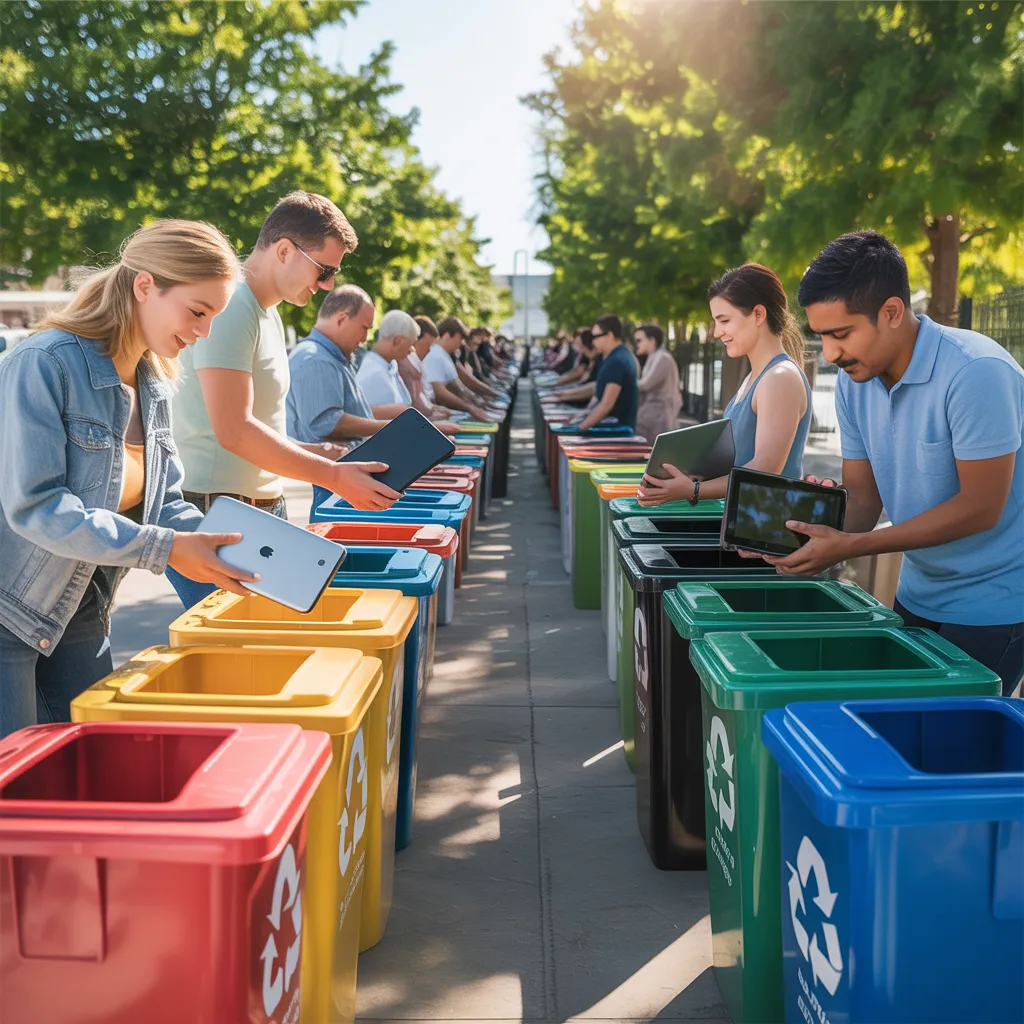
What Exactly Is E-Waste and Why Is It Important?
Electronic waste, commonly referred to as e-waste, encompasses discarded electronic devices including smartphones, computers, and televisions. This increasing type of waste creates substantial environmental hazards. With the rapid pace of technological advancement, consumers are replacing their devices more often, contributing to a rise in electronic waste. Incorrect disposal methods can introduce toxic materials, such as lead, mercury, and cadmium, into the environment, polluting soil and water supplies.
Furthermore, e-waste contributes to resource depletion, as precious materials such as gold, silver, and copper are regularly squandered when devices are discarded rather than recycled. Educating people about e-waste is essential, as people and companies alike can play a role in reducing its impact. By grasping the significance of e-waste, communities can embrace more responsible disposal practices and champion recycling efforts. At its core, caring about e-waste not only safeguards the environment but also fosters an eco-friendly economy.
Electronics We Accept for E-Waste Recycling
A wide range of electronic equipment are eligible for recycling, serving to minimize the environmental impact of e-waste. Frequently accepted items include old computers, laptops, tablets, and smartphones, which frequently harbor hazardous materials. Moreover, peripherals such as printers, keyboards, and mice are also accepted. Televisions, monitors, and other display devices are included in the accepted categories, ensuring safe disposal of toxic components.
Household appliances, including microwaves and refrigerators, might also be eligible, provided they are non-functional. Batteries, especially rechargeable ones, are important to include in recycling programs due to their chemical content. Gaming consoles, audio equipment, and networking devices are other examples of eligible materials.
How to Arrange Your E-Waste Pickup
Wondering how to arrange an e-waste pickup? Setting up an e-waste pickup is an uncomplicated process crafted for your convenience. Anyone interested can start by navigating to the recycling service's website, where they will find a dedicated section for scheduling pickups. In most cases, a simple online form is provided that collects fundamental information such as name, address, and the types of e-waste to be collected.
Once the form has been submitted, applicants should anticipate a follow-up email providing the specific date and time details. Many services also offer a phone option for those who prefer direct communication. Checking for any specific requirements, such as packaging or preparation of items, ahead of the collection time. Additionally, some recycling services may provide additional resources or tips for streamlined e-waste collection, facilitating an organized and productive collection process. This allows individuals to take part in environmentally responsible e-waste handling.
Why You Should Care About E-Waste Disposal
The proper disposal of e-waste is critical for preserving the environment and ensuring public health. The improper management of electronic waste may cause toxic materials to contaminate soil and water, presenting grave risks to public health. Recognizing the importance of responsible e-waste management is essential for a sustainable future.
Environmental Impact Awareness
Why is it important for individuals to consider how they dispose of electronic waste? The environmental consequences of e-waste are considerable, as electronics that are carelessly thrown away lead to pollution and the depletion of natural resources. Many electronic devices contain toxic substances, such as lead and mercury, which may seep into soil and water supplies, causing damage to ecosystems and wildlife. Moreover, improperly disposed e-waste results in the forfeiture of recyclable resources like gold, copper, and rare earth elements. Through greater awareness of responsible e-waste disposal, individuals are able to lower their carbon footprint and encourage sustainable habits. Championing recycling efforts not only lessens environmental harm but also cultivates a circular economy where materials are reclaimed and repurposed, ensuring a healthier planet for generations to come.
Health Hazard Mitigation
Failing to properly dispose of electronic waste creates serious health dangers for communities and individuals. Dangerous materials contained in e-waste, such as lead, mercury, and cadmium, can infiltrate soil and groundwater, tainting local water supplies and food sources. Contact with these dangerous substances can result in serious health complications, such as neurological damage, respiratory disorders, and elevated cancer risks. Furthermore, unregulated recycling methods frequently worsen these risks, as workers often lack adequate protective equipment when taking apart devices. Through choosing responsible e-waste management via certified recycling programs, individuals can reduce these health risks, creating healthier environments for themselves and their communities. Awareness of these dangers underscores the critical importance of proper e-waste management.
How We Maintain Safe and Green E-Waste Recycling Practices
In an era growing ever more dependent on technology, the responsible and environmentally conscious recycling of electronic waste is vital for ecological balance. To reach this objective, companies adopt comprehensive methods that conform to environmental rules and established practices. They start by performing thorough assessments of e-waste, categorizing items based on material types and potential hazards. This confirms that toxic compounds, such as heavy metals like lead and mercury, are effectively controlled.
Moreover, cutting-edge recycling methods are utilized to reclaim valuable resources, reducing waste sent to landfills. Specialized facilities equipped with state-of-the-art technology safely dismantle devices, categorizing parts for repurposing or recycling. Furthermore, these companies prioritize partnerships with certified recyclers who share a commitment to eco-friendly practices.
Staff education further enhances safety measures, ensuring that all personnel are educated on dealing with potentially dangerous substances. Through these extensive strategies, organizations play an important role in advancing a sustainable circular economy while preserving both public health and ecological integrity.
Top Reasons to Use Our E-Waste Pickup Services
Using expert e-waste pickup services streamlines the procedure for discarding old electronic devices while supporting environmental stewardship. These solutions reduce the burden of transportation, allowing individuals to easily arrange collections at their scheduling preference. This not only reduces time spent but also reduces the likelihood of incorrect disposal, making certain that dangerous materials are processed appropriately.
In addition, these services often supply records validating the recycling process, which is helpful for organizations striving to comply with legal guidelines. Employing qualified providers also increases public knowledge about digital waste concerns, motivating more individuals to take part in sustainable practices.
In addition, a large number of electronic waste collection services team up with certified processing facilities, confirming that all materials are handled in an eco-friendly way. This unified approach plays a significant role in decreasing landfill accumulation and protecting natural resources, making e-waste pickup services a sustainable solution for personal and corporate use alike.
Top Questions About E-Waste Disposal
What does one need to understand about e-waste disposal? Numerous people frequently have inquiries about the appropriate methods and rules surrounding electronic waste. To begin with, it is essential to recognize that e-waste encompasses discarded devices like computers, televisions, and smartphones, which harbor harmful substances. Proper disposal is essential for environmental protection.
Another common inquiry pertains to local recycling options. Numerous localities provide dedicated collection sites or organized pickup schedules for e-waste. We recommend reviewing area-specific rules, as various localities may maintain distinct disposal protocols.
Many individuals inquire about digital privacy and security. Before disposing of or recycling devices, individuals should verify that all personal data has been thoroughly deleted.
Finally, there are potential concerns regarding expenses. A large number of e-waste recycling options are available at no cost, but a few may levy charges for select devices. Comprehending these elements can support proper e-waste handling.
Common Questions and Answers
What Steps Do You Take to Ensure Data Security During E-Waste Recycling?
To maintain information security during e-waste recycling, the firm utilizes industry-certified data destruction techniques, including physical destruction of storage devices and secure data wiping, thereby safeguarding sensitive information across the full recycling process.
What Occurs with E-Waste Following Pickup?
After pickup, e-waste undergoes sorting, dismantling, and processing. Recoverable materials are reclaimed for future use, while harmful parts are carefully disposed of. This guarantees environmental protection and promotes resource conservation in the recycling process.
Do You Charge Any Fees for E-Waste Pickup?
Costs for e-scrap retrieval can vary subject to the service provider and location. A number of service providers might provide free pickup, while alternative companies might charge a charge based on the amount or kind of e-waste being processed.
Am I Able to Donate My Used Electronics?
People can certainly donate old electronics to a range of charities, schools, or local community centers. Most of these organizations welcome working devices, promoting reuse while reducing waste. Donating also supports those in need, making it a worthwhile and positive decision.
What Is the Environmental Impact of E-Waste Recycling?
The ecological Check it out significance of e-waste recycling is substantial, decreasing landfill congestion, preserving valuable natural resources, and minimizing hazardous materials release. Effective recycling practices promote sustainability and lower the ecological burden caused by disposed electronic devices.